Author: SemiconShorts
-
Communication Protocols – I2C
I2C stands for Inter Integrated Circuit, and is one of the most important communication protocol. It was developed by Philips semiconductor, which is now known as NXP semiconductors. Lets get to know how it works. Open Drain Configuration: The output stage of the devices connected to the i2c bus, must have ‘open-drain’. Open drain/collector is…
-
Lockup Latch
There are a number of clock domains in modern day’s complex SoCs. When the flip-flops in such designs are stitched into scan chains, there is a possibility that there are two clock domains in one scan chain. This means that at one point in the scan-chain, the launch flop and capture flop will belong to…
-
What is a RESET?
You will come across RESETs even in simplest designs, making it one of the most important topic to discuss. Lets dive in….. A Reset is a signal which forces the design into a known state. This unique and important capability can be used to: Types of Reset: Synchronous Reset affects the flip-flop only at an…
-
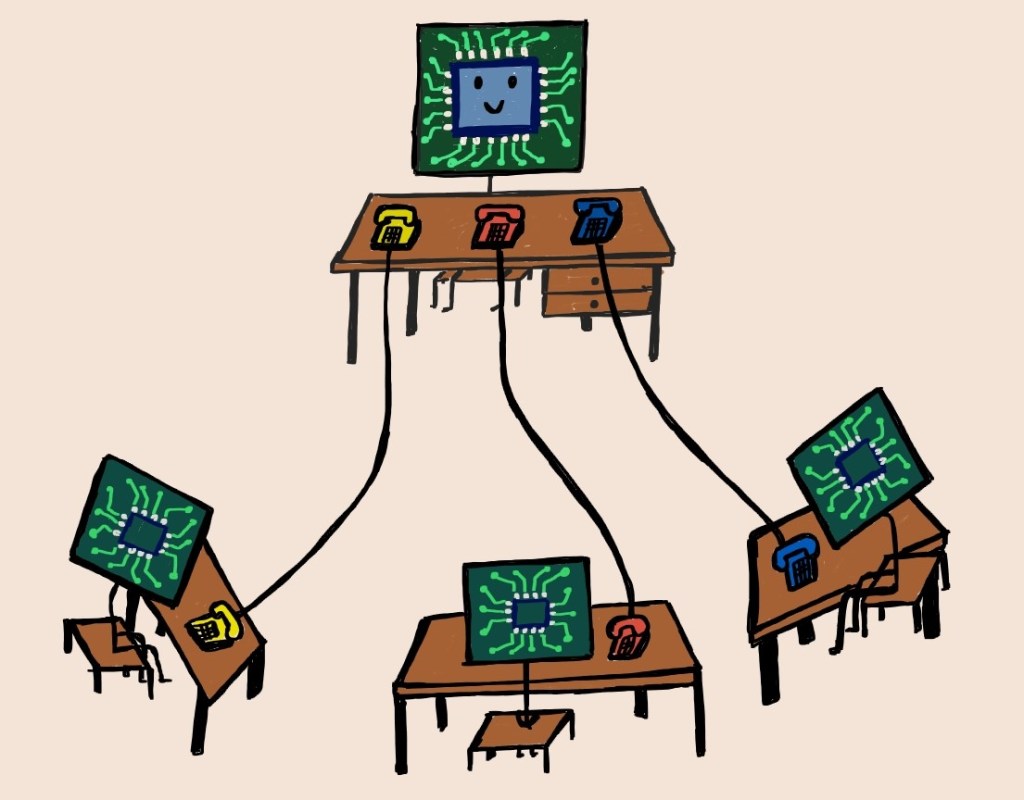
Communication Protocols – SPI
Ever wondered how electronic devices communicate with each other? Just as humans need a ‘language’ to be able to talk, electronic devices or ICs need ‘communication protocols’ to exchange information (0s and 1s here). Factors like, how fast the data needs to be exchanged, how much data is needed to be transferred, or the availability…
-
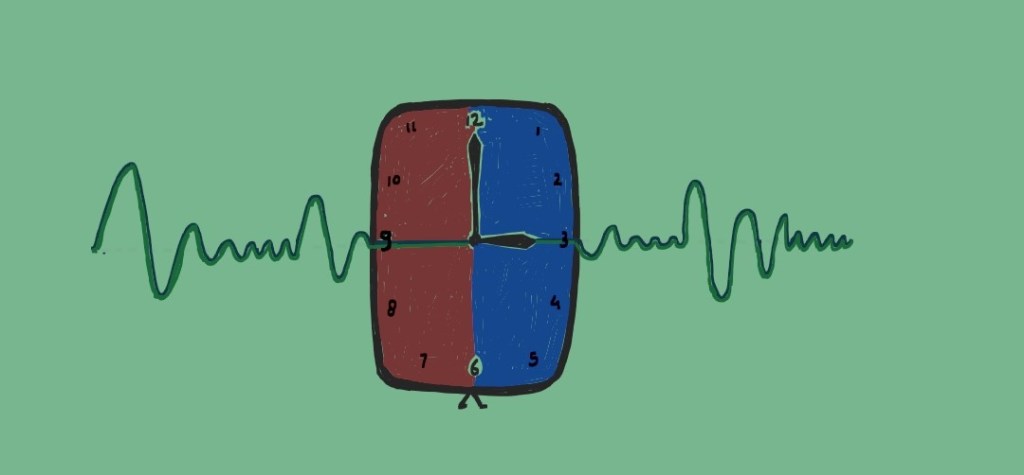
Setup And Hold Time
This is the most common concept studied in VLSI, and hence most important. We tend to understand the definition but the concept creates confusion at times. Let us revisit this topic in simple terms. Setup Time The time before the active clock edge, when the data signal is not allowed to change its value Hold…
-

Clock Gating
Let us discuss clock gating in simplest terms. Definition : Technique to switch off the clock when not in use. It reduces the switching activity and hence, saves dynamic power, without affecting the design functionality. Simplest Clock Gating Naming: ‘en’: Enable signal. ‘clk’: The non-gated original clock ‘g_clk’: Gated clock (off when not in use)…
-
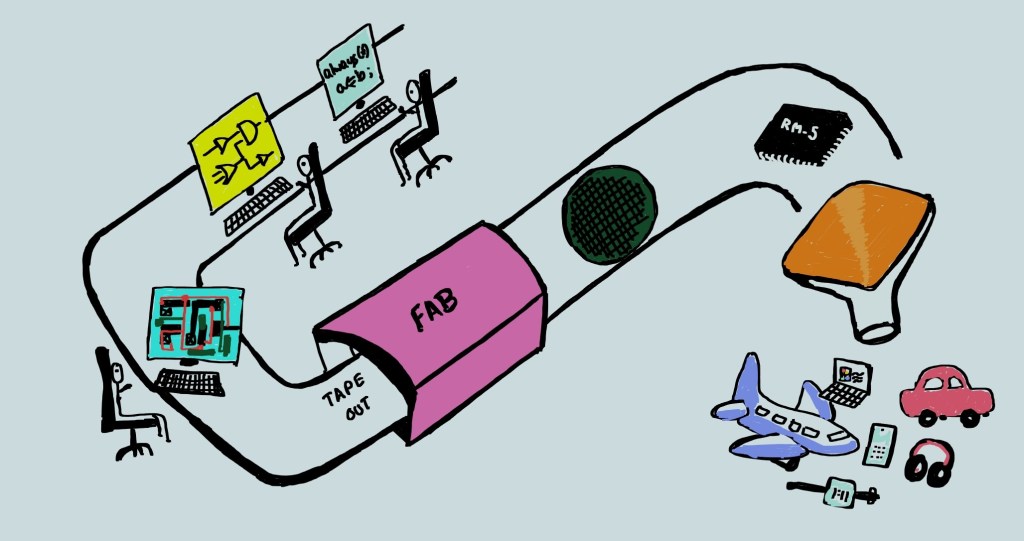
Simplifying Semiconductors for You
Hi, I am putting up my understanding of this huge industry in simple words, hoping that we move forward into the tech-world together. The Structure Of Industry – I The semiconductor industry popularly known as VLSI industry or hardware industry is based on the development of Integrated Circuits (or ICs). These ICs are sometimes referred…
-
Scan And Resets
DFT – ‘Design for Test’ is an important task in modern chip designs. Basic DFT constitutes scan design. I have discussed fault models and ATPG testing in different articles. Before going deeper into other DFT topics, let us understand what a scan design is. When RTL design is coded and converted into gate netlist, the…
-
Synchronous FIFO
FIFO is an important structure where data is stored and received in ‘First In First Out’ format. Consider an example of students entering a classroom by gate ‘A’ in line, and exiting through gate ‘B’ in the same line. The first student who entered will be the first one to exit the class. This format…
-
E-Fuse Based Memories
The functioning of any VLSI chip needs some data to boot-up the device. This data can be stored in flash, NVMs which costs more. A good alternative is to use efuse based memories. They allow us to store a small amount of data (which can be programmed only once). Other kinds of information that most…
 Semicon Shorts